Industry
Insurance
Model
Services
Challenge
Standing Out in an Ocean of Sameness
When a 150-year-old financial giant decides to enter the fiercely competitive employee benefits arena, it can’t simply slip into the market unnoticed – it needs to make a splash. Discover how Responsory partnered with Pacific Life to turn a mature industry upside down, transforming historical brand truths into a powerful marketing launchpad for Pacific Life Workforce Benefits.
Pacific Life, a premier financial institution with a legendary 150-year legacy of stability, prepared to enter the ancillary employee benefits marketplace under the name Pacific Life Workforce Benefits.
While its structural core was a revolutionary, digital-first platform unencumbered by traditional legacy technology, market entry faced steep roadblocks:
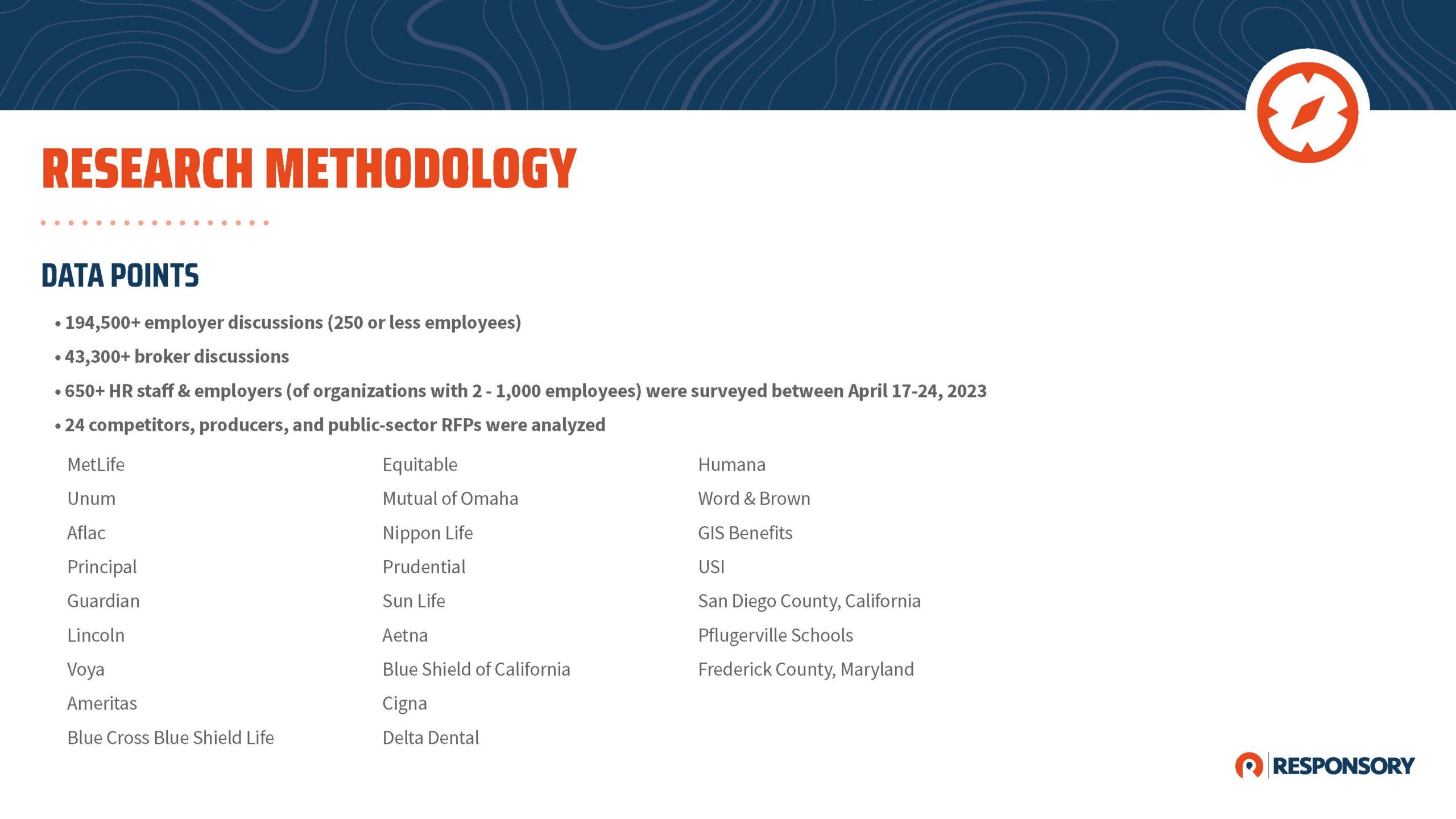
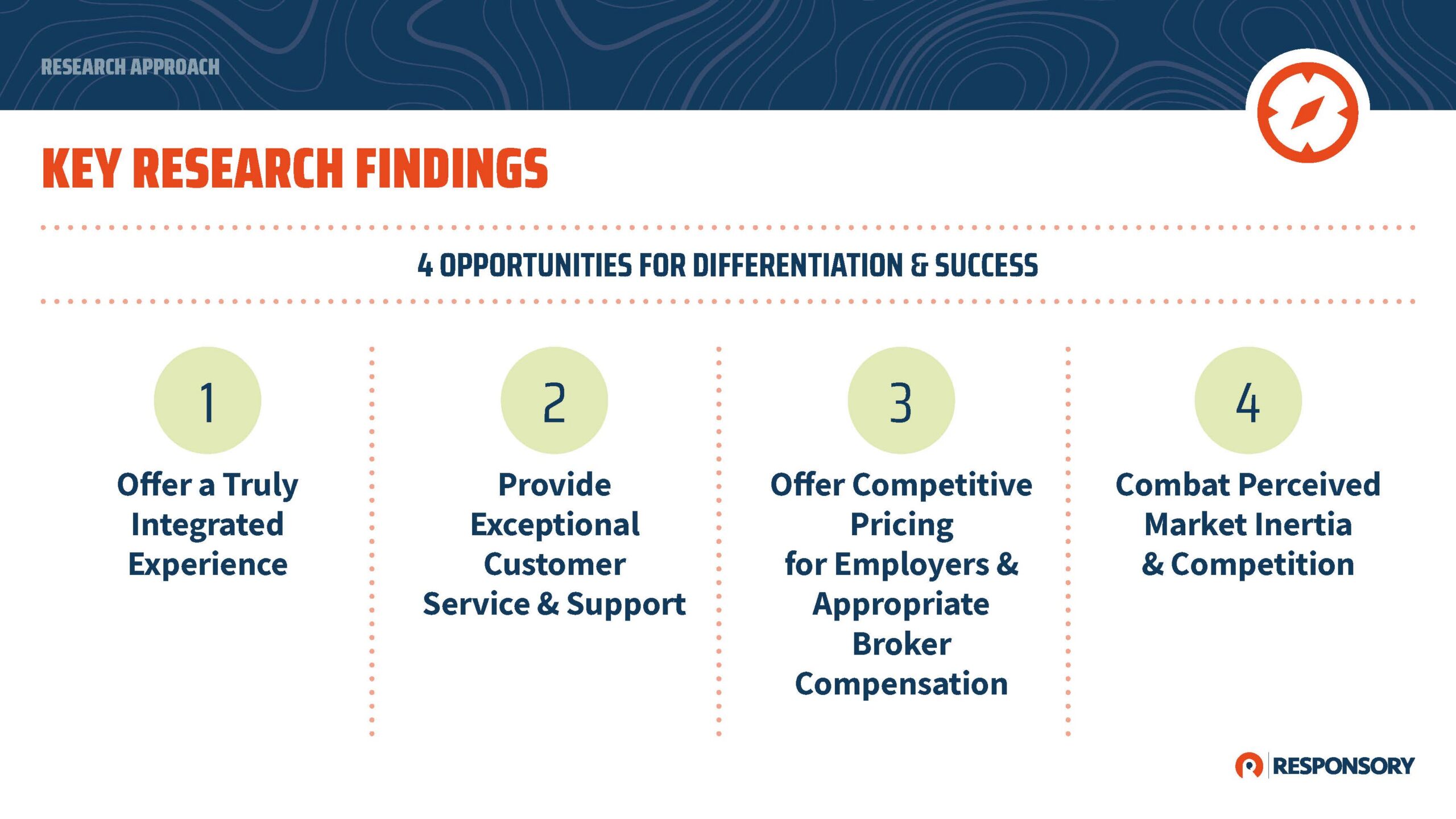
- The “Me-Too” Trap: A thorough competitive audit revealed that nearly every industry incumbent – including MetLife, Guardian and Aflac – relied on identical positioning, claiming to simplify administration.
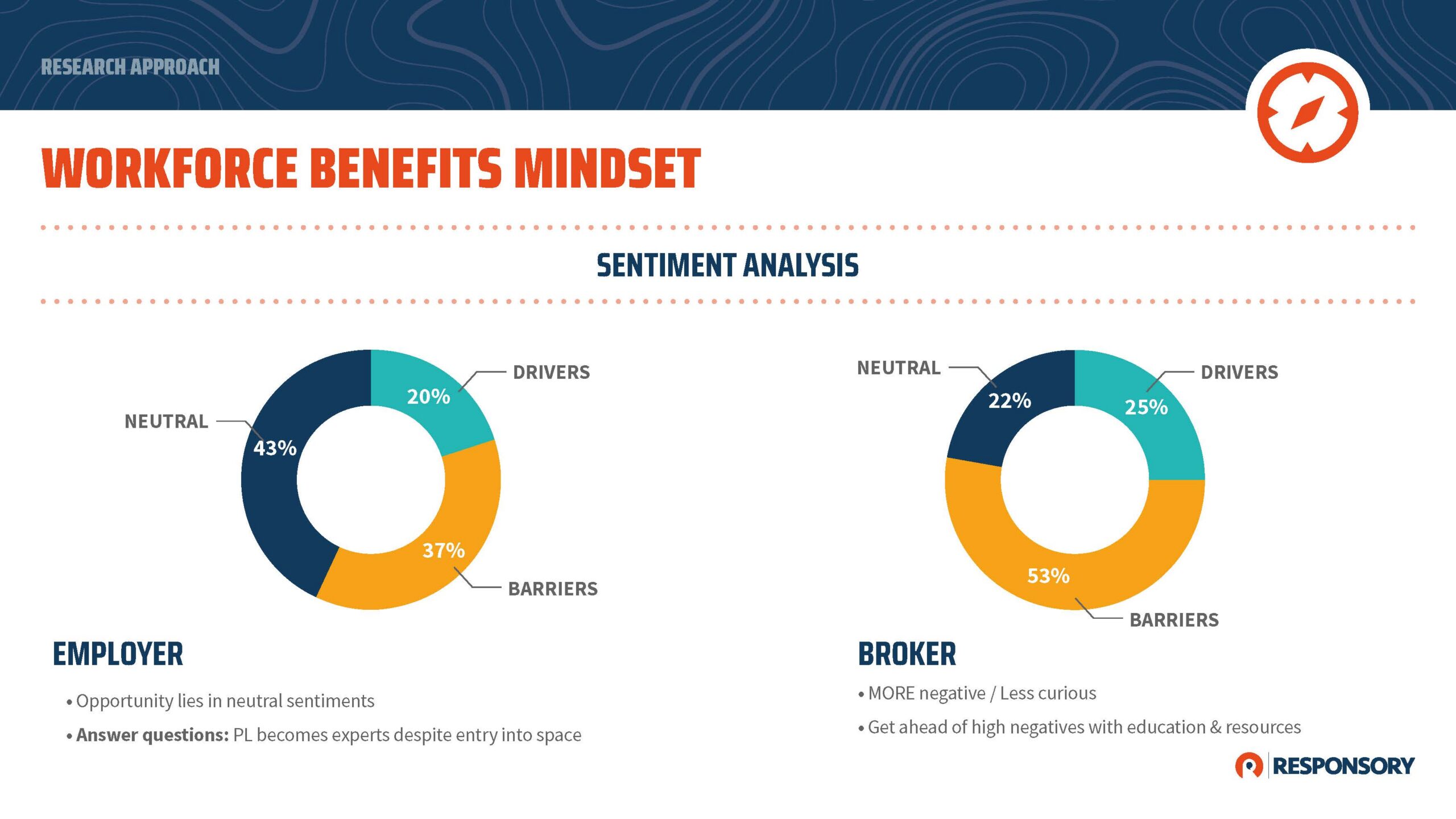
- High Churn vs. Entrenched Skepticism: While roughly 30% of employers went out to bid each year, deep-seated broker and employer skepticism made switching to a new provider intimidating.
- Broker Friction: Sentiment analysis showed heavy professional friction surrounding clunky onboarding setups, implementation delays and complex commission structures.
To break through, Pacific Life required an authentic, highly differentiated positioning platform that resonated with brokers and cut cleanly through market noise.
Solution
Anchoring Our Strategy in Deep Research

Fact-Based Research & Market Insights
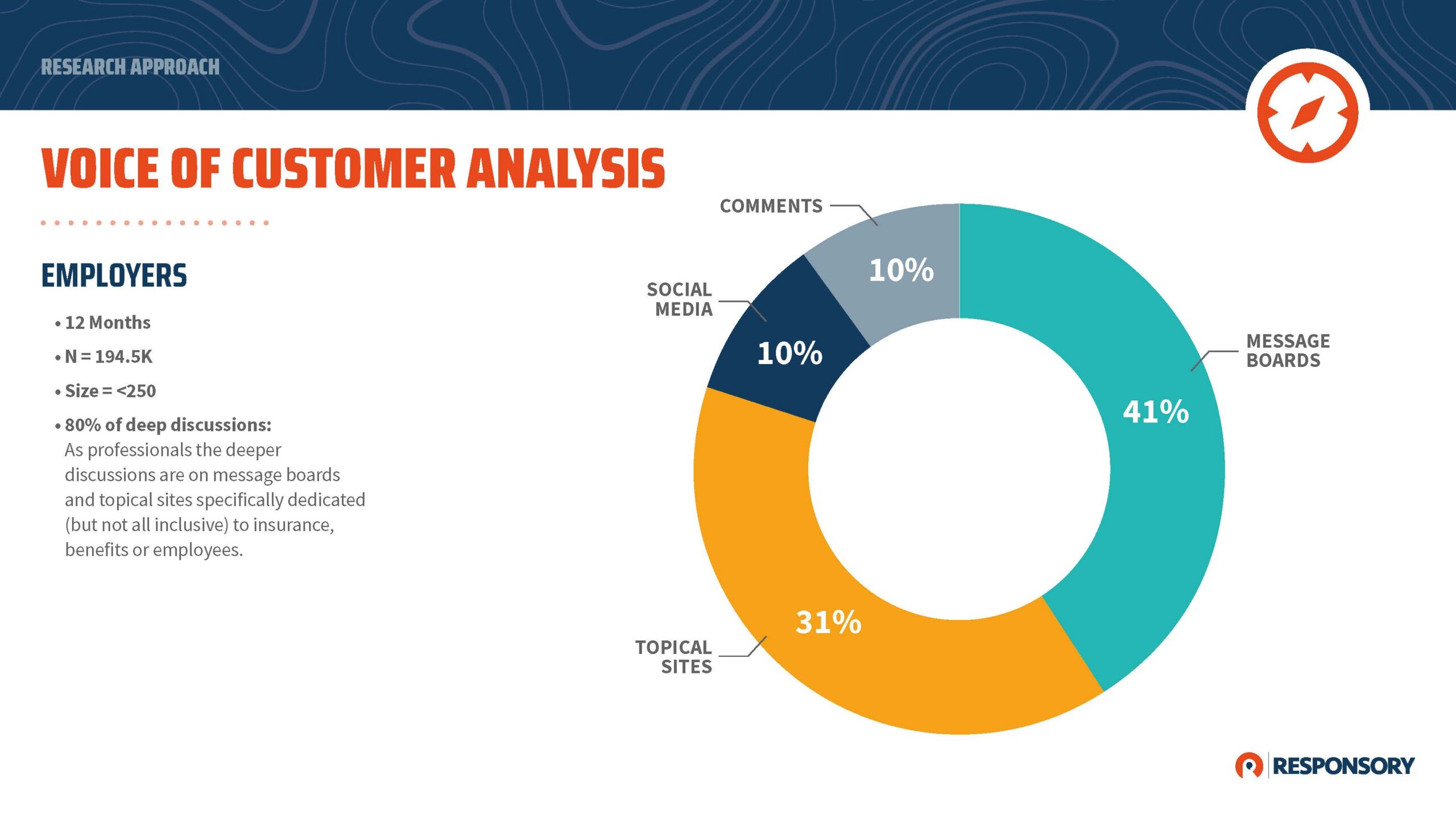
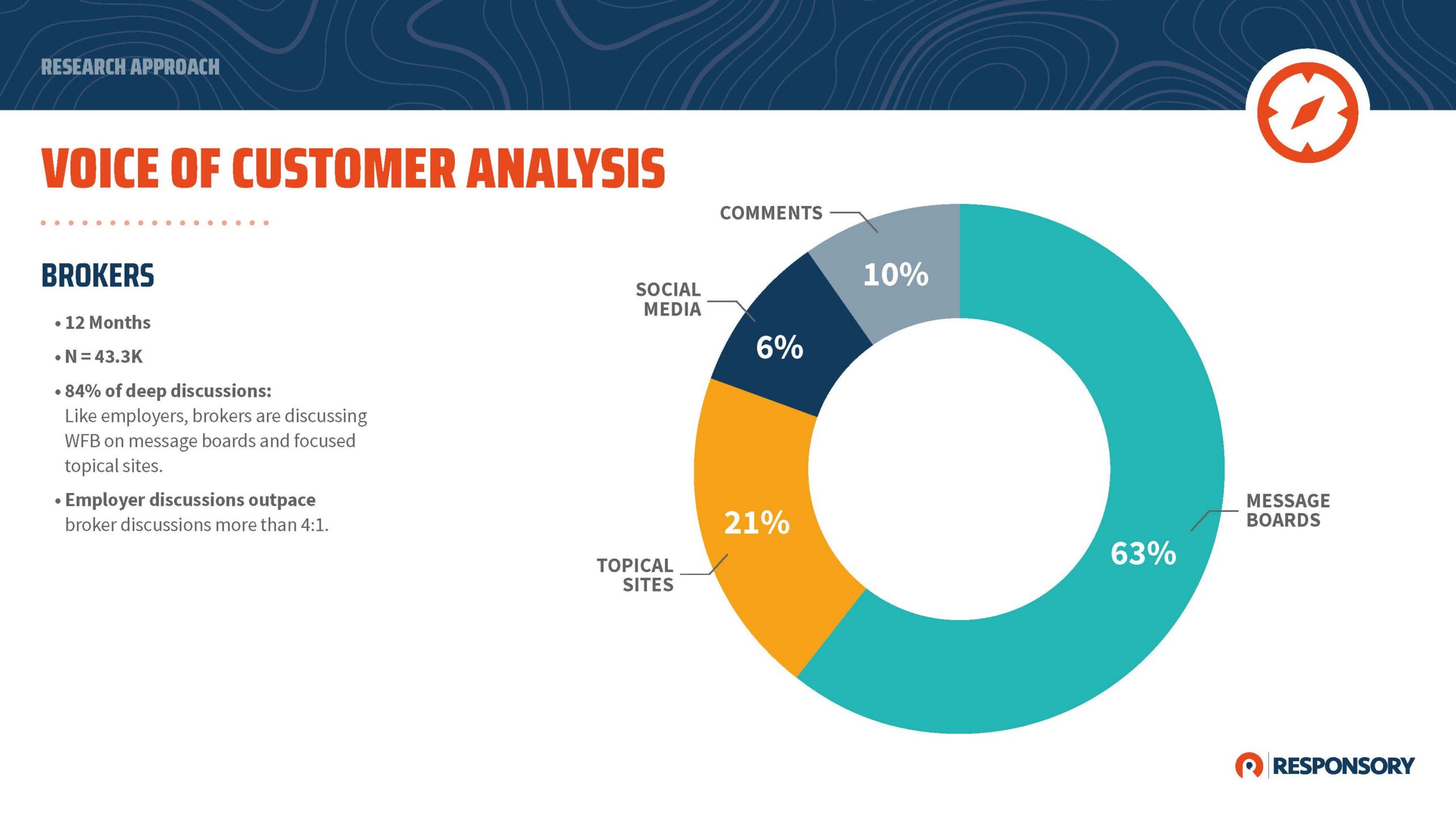
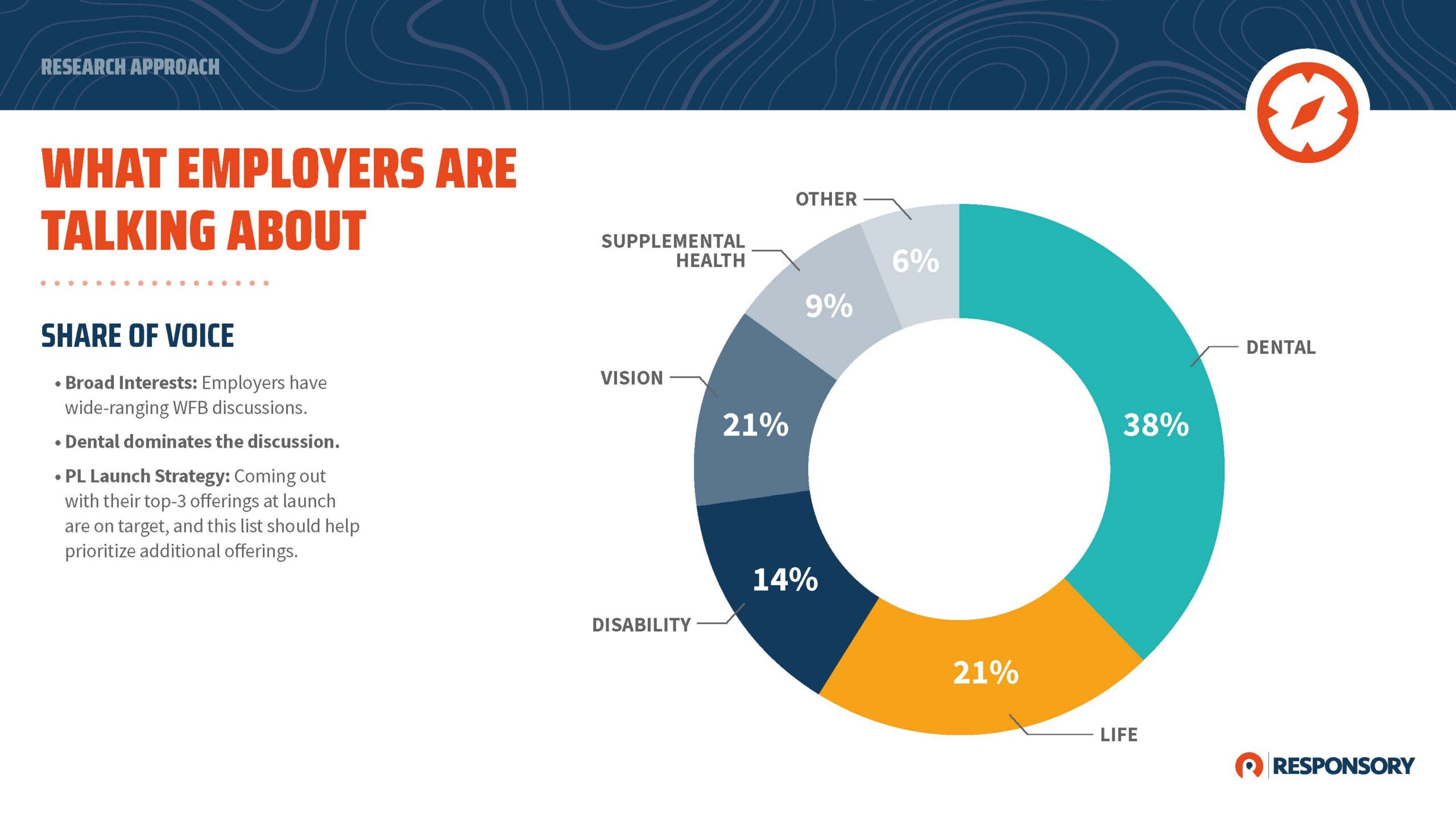
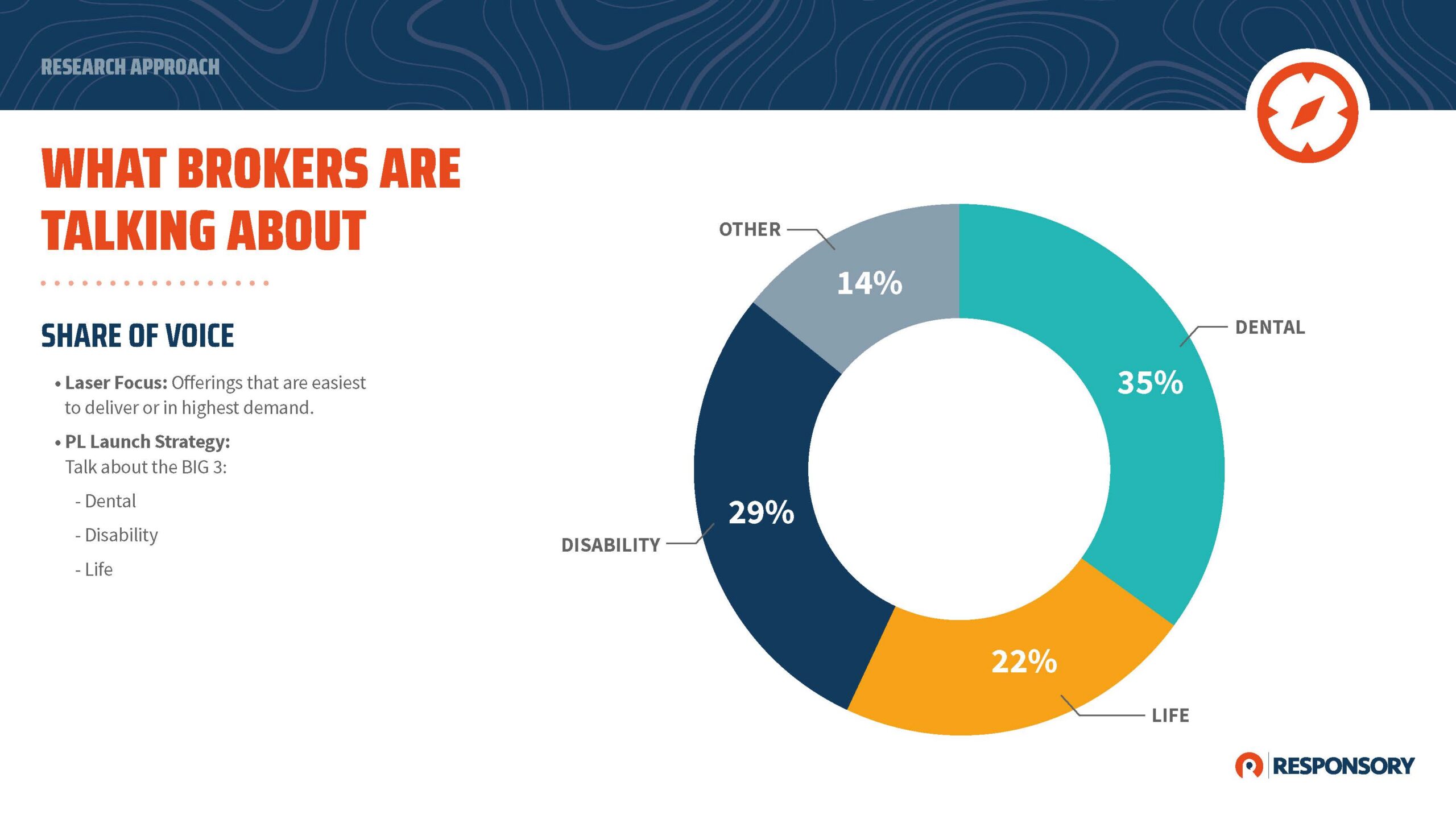
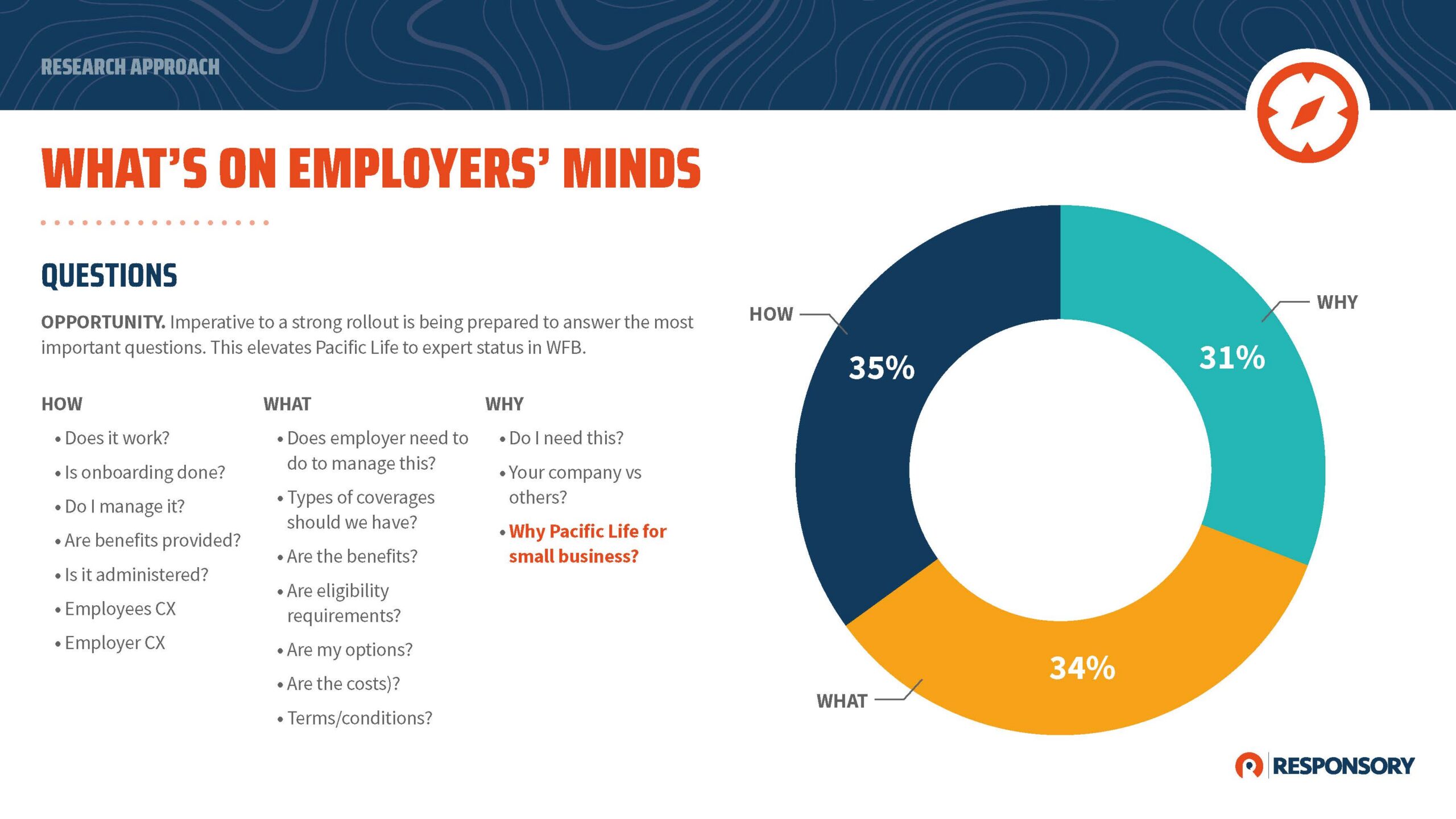
We approached our research from four distinct angles. First, we performed a competitive messaging audit, analyzing the semantic web structures of core competitors to map their brand positioning and expose gaps in the market. Second, we conducted an institutional demand review by evaluating employer public-sector RFPs to understand structured, real-world procurement requirements. Then we employed our proprietary MAP Research to analyze employer andbroker discussions across specialized message boards and topical websites to isolate specific technical friction points and administrative burdens driving high market churn. Finally, we delivered quantitative validation by fielding an extensive survey of HR professionals to identify exactly which high-demand benefits and administration features smaller businesses value most when deciding to switch carriers.

Archetype Differentiation & Scorecard Modeling
Using proprietary scorecards, Responsory mathematically blended metrics across Brand Heritage, Competitive Differentiation and Brand Voice Research to evaluate how well potential brand personalities would resonate. While a generic tech angle failed to stand apart from competitors, a distinct Hero-Caregiver archetype mix emerged as the definitive statistical winner. Competitors frequently leaned on superficial, passive caregiver framing, which left a wide-open opportunity for Pacific Life to own a more proactive, authoritative stance. This archetype combination immediately shifted the marketing emphasis away from passive, soft messaging and anchored the brand in hard-earned accomplishment, grit and structural protection.

Uncovering Authentic Brand Values
We helped Pacific Life turn the mirror inward, using real-world historical proof points of corporate courage and determination:
- Community Service: In 1893, Jane Stanford used funds from a Pacific Life policy to pay professors and save Stanford University from financial ruin.
- A Lucky Break: An executive buried $72,000 in bonds in his basement, successfully protecting Pacific Life’s assets from destruction during the great San Francisco earthquake of 1906.
- The Humpback Whale: The brand’s corporate icon is itself a world-renowned symbol of strength, survival, and ecological triumph.

Brand Communication Blueprint
Armed with these historical truths, Responsory constructed a comprehensive corporate messaging playbook that included:
- Workforce Benefits Mission: Providing a complete understanding of what clients need to succeed with products that inspire trust and are easy to implement.
- Value Proposition: Purposeful Technology. Building an elegant platform from the ground up so administrators feel entirely confident protecting their teams.
- Differentiated Positioning: Proudly leaning into the idea that “At Pacific Life, we don’t do things the easy way. We never have.” This turned the hard work behind building their advanced technology into a badge of honor, rather than hiding it behind generic claims of magic.
MAP RESEARCH
Understanding the Consumer Mindset
When introducing a new product to a mature market, organizations frequently rely on traditional focus groups or surveys to map out their strategy. While valuable, these methods can sometimes capture rehearsed answers rather than spontaneous consumer behavior. To uncover how buyers actually behave when no one is watching, we use a proprietary methodology known as MAP Research.
Explore the sections below to understand how this conversational data framework functions, what it uncovers and how it delivers structural value to an organization’s brand strategy:
Results
Securing Long-Term Growth and Broker Trust
By partnering with Responsory, Pacific Life walked away from undifferentiated messaging and stood tall with an authoritative corporate identity.
- An Authenticity Engine: The final positioning documents provided executive leadership with a clear, unified voice that flawlessly bridges the gap between old-school security and cutting-edge software integration.
- Targeted PR Air Cover: Responsory generated a strategic media influencer map via professional industry tools, targeting US-based industry reporters, insurance trade bloggers and corporate finance writers to smoothly launch announcements.
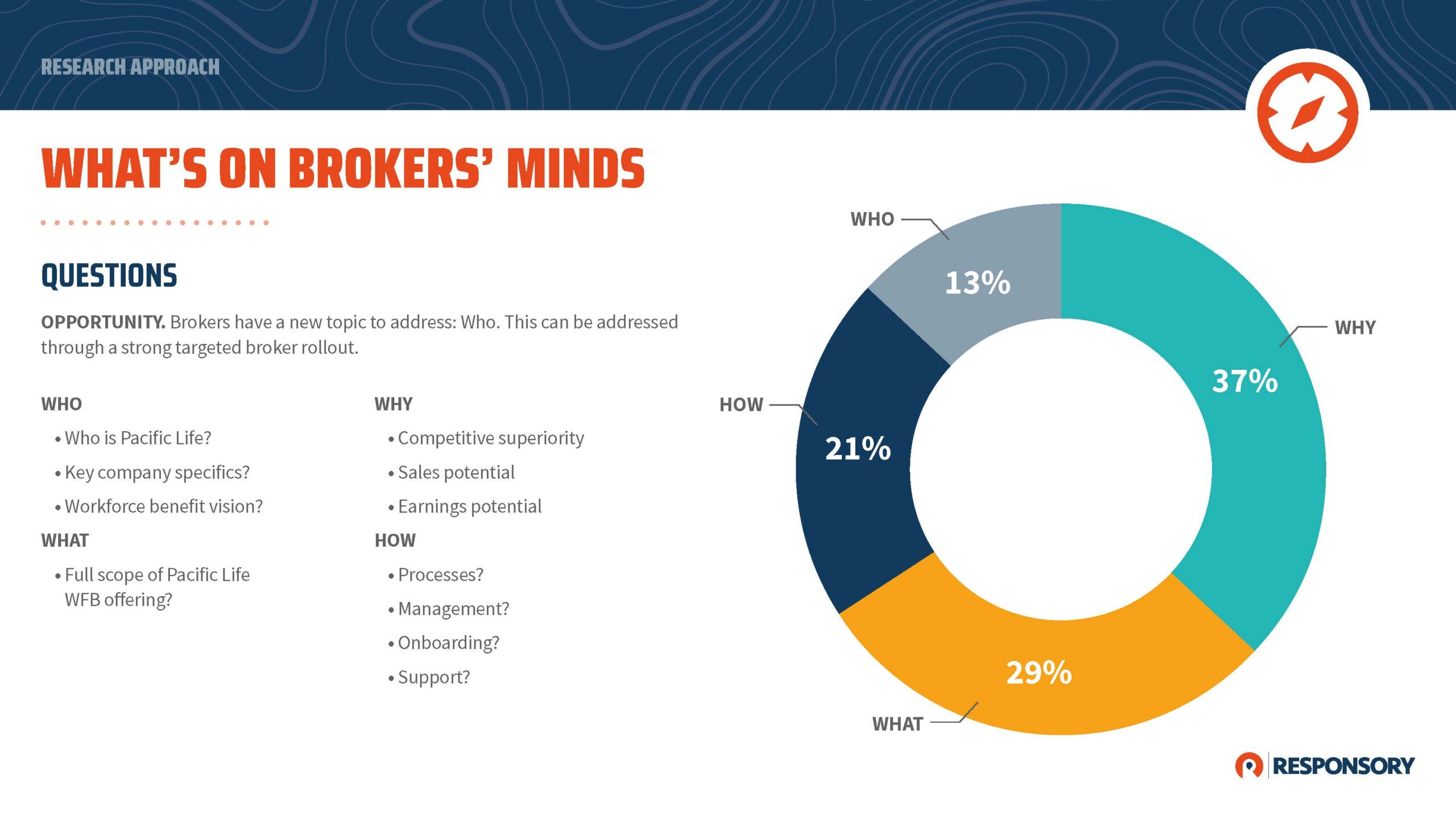
- An Actionable Broker Matrix: The messaging blueprints directly answered the critical “Who, What, Why, and How” inquiries discovered in the research data, pre-empting broker friction and positioning the brand as an expert guide capable of cutting administrative overhead by up to 200 hours per year.
By honoring its legacy, Pacific Life proved that entering a mature B2B space doesn’t require reinventing who you are – it just requires the clarity to show the world the hero you’ve always been.